
Speak Crisp, Sound Confident: Daily Micro Exercises for Articulation and Diction

Today we dive into daily micro-exercises designed to sharpen articulation and diction with tiny, repeatable actions you can slip into busy moments. Expect quick breath resets, tongue and lip drills, consonant control, vowel placement, rhythm practice, and simple tracking habits. Join in, test a few right now, and share your favorite quick win so others can learn from your experience and momentum.

Wake-Up Warmups Between Sips of Coffee

Breath Anchors in 60 Seconds

Place one hand low on your ribs, inhaling quietly through the nose and allowing expansion to spread sideways and back. Exhale through a soft hiss, keeping shoulders quiet and throat unforced. Repeat five breaths. This tiny routine builds stable airflow for clearer phrases and greater calm, especially when pressure spikes or calendars leave no room for lengthy warmups.

Jaw and Lip Release in a Commuter Minute

Gently massage along the jaw hinge, then trace small circles with relaxed lips as if saying buh, muh, puh in slow motion without sound. Let the tongue rest broad behind the bottom teeth. These micro-movements reduce clenching, brighten articulation, and help prevent muddy consonants. Try them at a red light or before unlocking your screen, and feel tension quietly recede.

Tongue Tip Precision While the Kettle Boils

Tap the tongue tip to the alveolar ridge for light, crisp l and t repetitions, then glide to create clean n transitions. Keep movements tiny, rhythmic, and playful. Thirty tranquil seconds can reset messy placement. Listeners will hear faster improvements than you expect, especially when you pair this drill with one mindful breath anchor and a gentle, face-softening smile.

Consonant Accuracy Without Harshness

Popping Plosives, Not Microphones

Hold a pencil an inch before your lips and say pa, pe, pi, po, pu, aiming to move as little air as possible beyond the pencil. Keep lips precise, breath steady, jaw loose. This minimizes blasts that overload mics while preserving definition. A sales rep named Maya used this, and clients stopped asking her to repeat names immediately.

Finessing Fricatives for Smooth Flow

Shape a narrow, steady channel for f and v by gently biting the inner lip ridge, then whisper them without pressing. Move to voiced versions, feeling vibrations in your lips and cheeks. Alternate f-v-f-v across simple words. The goal is ribbon-like continuity, not volume. Calm airflow creates elegance, turning fuzzy phrases into sleek lines that glide pleasantly across attention.

Smart Sibilance Control for Clarity

For s and z, think smile-width corners and a centered air stream. Place a finger before your lips and guide air through a tiny alley over the tongue, not sideways. Record a sentence loaded with sibilants, then repeat with subtler air. Compare waveforms and sound. A tiny adjustment often tames hiss instantly, protecting listener comfort during calls, webinars, and intimate podcasts.

Vowels That Ring True

Vowel placement shapes warmth, intelligibility, and endurance. Small alignment tweaks brighten tone without forcing volume, helping ideas land with less effort. Explore pure sounds, minimal pairs, and resonance mapping. Five minutes each day improves color and consistency across accents and contexts. Share which pair confuses your audience, and we will suggest a quick, playful fix you can test tonight.

Rhythm, Pace, and Strategic Silence

Clarity depends on timing as much as articulation. Micro-beats, chunked phrases, and refreshing pauses let ideas breathe. Work with a metronome, count gentle steps, and mark commas you truly earn. You will sound more thoughtful without slowing to a crawl. Share a sentence you often rush, and we will shape a pace that welcomes listening rather than competing with it.
Set a metronome to a comfortable tempo and speak one word per click, then two, then a three-syllable pattern across simple lines. Keep breath low and consonants honest. This trains even pacing under stress. When emotion rises, rhythm anchors your message, helping listeners follow along without straining. It is surprisingly calming, like walking with a friendly beat beside you.
Draw light slashes where thought units naturally end, then pause a heartbeat at each mark. Maintain eye contact or smile in audio tone to keep connection alive. Chunking reduces rambling, clarifies emphasis, and prevents mid-sentence gasps. Try it with emails you read aloud. You will hear ideas lining up neatly, inviting agreement before your final word lands gently.
Practice a three-count pause before answering difficult questions. Inhale quietly, soften the jaw, and let the eyes relax. Then deliver the first sentence slowly with crisp consonants and honest vowels. Audiences perceive steadiness and care. A founder used this in demos and noticed fewer interruptions, because silence framed confidence better than hurried speech ever could during pressure-heavy negotiations.

Build the Habit, Keep the Spark

Consistency matters more than heroic sessions. Stack drills onto anchors you already do, track tiny wins, and celebrate visible effects. Two or three minutes, scattered wisely, shape automatic clarity. Invite a colleague to practice twists at lunch, compare notes, and keep the tone playful. Share your streak length below, and someone will gladly high-five your persistence and brighten tomorrow’s practice.

Habit Stacking with Daily Triggers

Attach one drill to brewing coffee, another to unlocking your laptop, and a third to waiting for a meeting to start. Keep each under a minute. This removes decision fatigue and builds identity through action. Before long, you will reach for clear speech like you reach for keys, automatic and confident, even on choppy mornings crowded with shifting priorities and surprises.

Two-Minute Tracking That Feels Rewarding

Use a tiny grid: breath, tongue, consonants, vowels, rhythm. Check boxes, jot one sensation, and add a micro-celebration emoji. The ritual should feel friendly, not scolding. Trends emerge quickly, guiding what to nudge tomorrow. If you share a snapshot with peers, expect helpful nudges back and fresh ideas that keep your routine engaging through demanding weeks and shifting goals.
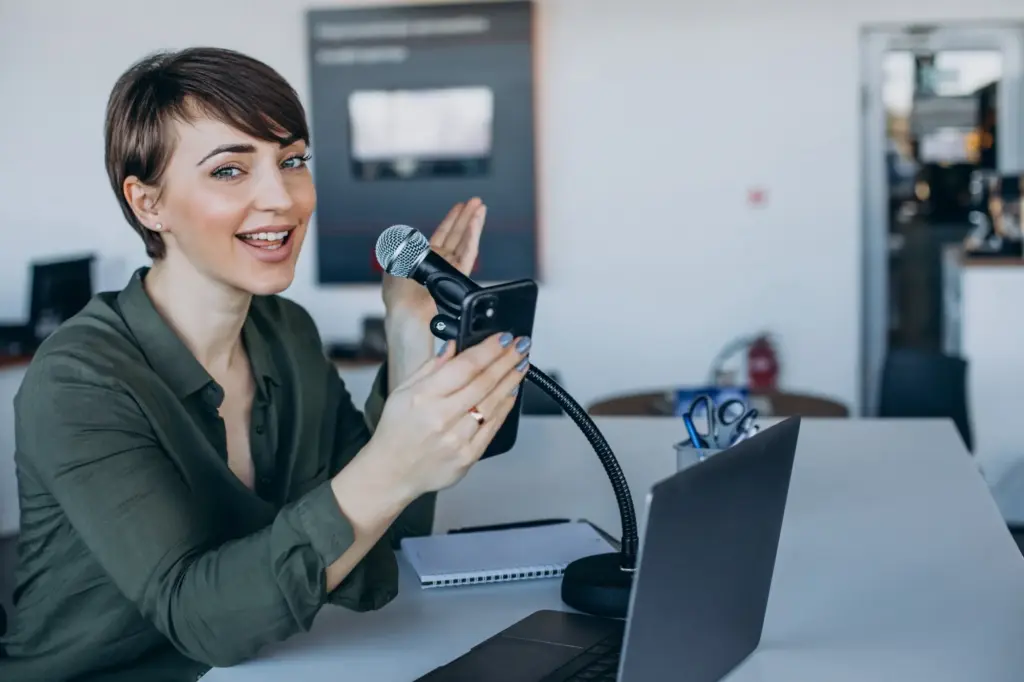

From Practice to Real Conversations

Skills become natural only when tested where it counts. Integrate drills into calls, quick updates, and doorstep hellos. Use one take recordings, fast video check-ins, and brief pre-meeting rehearsals. Invite feedback from friends who care about candor. Share your most useful micro-exercise below, and ask for a new challenge that suits tomorrow’s calendar, audience size, and acoustic environment.
Kavifexopaloravosirazeradaxi
Privacy Overview

This website uses cookies so that we can provide you with the best user experience possible. Cookie information is stored in your browser and performs functions such as recognising you when you return to our website and helping our team to understand which sections of the website you find most interesting and useful.